Flaky Butter Croissants
Highlighted under: Home Baking Recipes
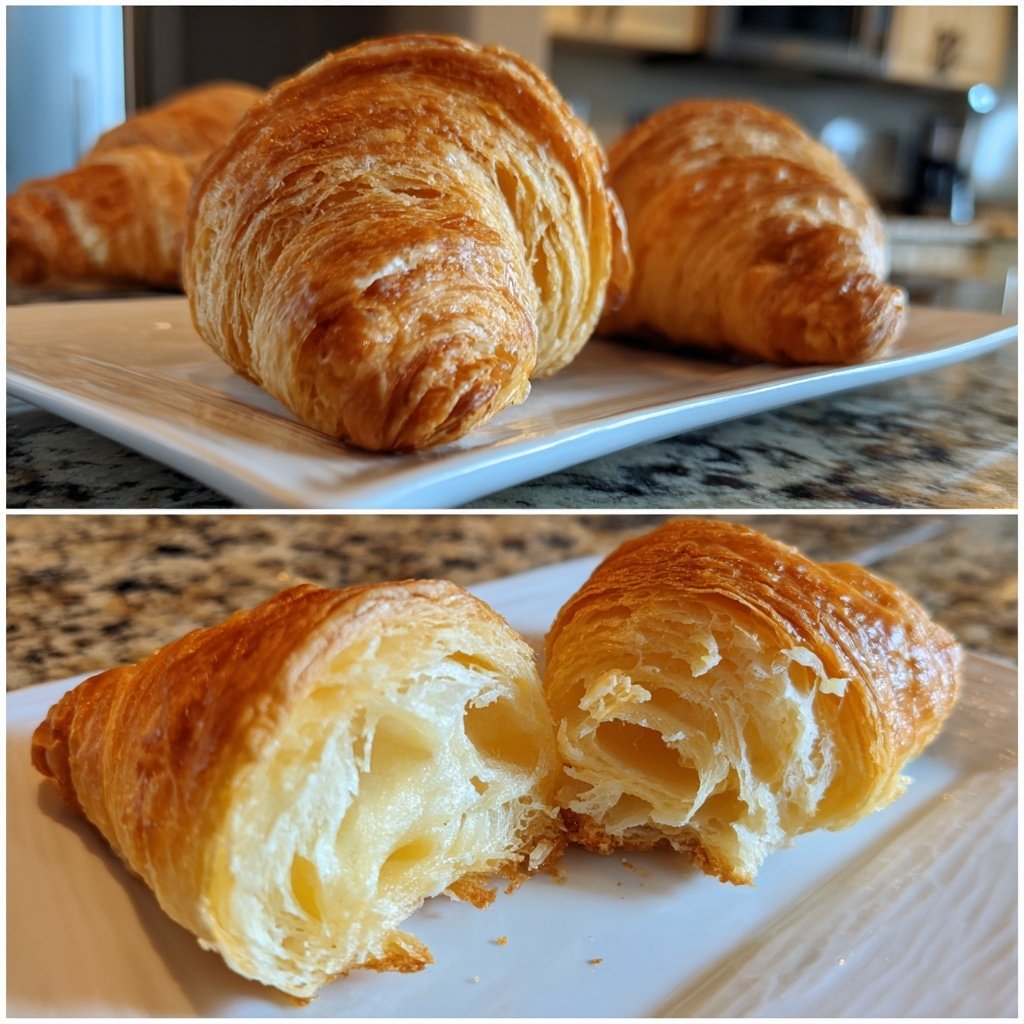
I adore making flaky butter croissants, as they bring the joy of freshly baked pastries right into my kitchen! There's something magical about watching the dough turn into golden, flaky layers, all thanks to the butter's rich flavor and the folding technique. This recipe allows me to savor each bite, knowing I created these delicious treats with my own hands. Whether enjoyed with coffee in the morning or as a delightful afternoon snack, these croissants never fail to impress and satisfy my craving for something indulgent.
When I first attempted making croissants at home, I was a bit intimidated by the process. However, I soon learned that the key lies in the chilling of the dough between folds, allowing those magical layers to develop. After several tries and adjustments, I finally perfected my technique, resulting in croissants that are airy yet rich, with a buttery aroma that fills the entire kitchen.
One specific detail that truly transformed my croissants was using a high-fat European butter. Not only did it enhance the flavor, but it also contributed to a more tender crumb. I also realized that a good resting time for the dough between folds made a notable difference in the flakiness. Now, I can't resist serving these fresh, warm, and flaky croissants to friends and family who cannot get enough of them!
Why You'll Love These Croissants
- Layers of buttery goodness that flake perfectly with each bite
- The homemade touch that elevates any breakfast or brunch
- A delightful aroma that fills your kitchen as they bake
Understanding the Ingredients
Choosing quality ingredients is essential for making perfect croissants. All-purpose flour provides the right balance of protein for gluten development, while cold unsalted butter is crucial for achieving that signature flakiness. Unsalted butter allows you to control the salt content, enhancing the dough's flavor without overwhelming it. Experimenting with different brands of butter may offer varied results in taste and texture, so finding a preferred option can elevate your croissants to new heights.
Instant yeast is a key player in this recipe, helping the dough rise efficiently without requiring long fermentation times. This yeast activates quickly, meaning you won’t have to wait as long for the dough to proof compared to active dry yeast. If you need to substitute, you could use active dry yeast, but be sure to activate it in warm milk before mixing it in, adding about 10-15 minutes of additional wait time.
Perfecting the Lamination Technique
Lamination is where the magic happens, creating those beautiful layers that make croissants so irresistible. When incorporating the butter, ensure it remains cold—if it warms up, it can seal in the dough instead of creating those airy layers. A quick chill between folds keeps the butter at the ideal consistency for optimal flakiness. If it's too soft, simply pop the dough back in the fridge for a few minutes before continuing to roll and fold.
During the folding process, aim for even thickness in both the dough and the butter layer. Uneven rolling can lead to inconsistent baking and layers that don’t separate properly. Use a bench scraper to maintain the rectangle shape as you work, and don’t apply too much pressure while rolling out the dough, as this can push the butter out. Instead, gently roll from the center out to control the thickness.
Troubleshooting Common Issues
If your croissants don’t rise as expected during baking, it could be due to insufficient proofing time. After shaping, give them enough time to double in size; this typically takes about an hour in a warm environment. If your kitchen is cool, consider placing the baking sheet in a turned-off oven with the light on to create a warmer atmosphere. This helps activate the yeast and ensures you achieve that nice, airy texture.
Another common issue is burnt tips or uneven browning. If you notice the tops are getting too dark, loosely tent the croissants with aluminum foil after 10-15 minutes in the oven. This will shield them from direct heat while allowing the interiors to bake through. And if you're left with excess dough, consider freezing unbaked croissants on a baking sheet before transferring them to a bag for later use—just bake them straight from the freezer, adding a few extra minutes to the baking time.
Ingredients
Ingredients for Flaky Butter Croissants
For the Croissant Dough
- 500g all-purpose flour
- 10g salt
- 50g sugar
- 10g instant yeast
- 300ml cold milk
- 300g cold unsalted butter
For Egg Wash
- 1 egg
- 1 tablespoon milk
Note:
Ensure your ingredients are cold for better layering and results.
Instructions
Step-by-Step Instructions
Prepare the Dough
In a large bowl, combine flour, salt, sugar, and instant yeast. Add cold milk and mix until a dough forms. Knead for about 5 minutes until smooth. Shape into a ball, wrap in plastic, and refrigerate for at least 1 hour.
Incorporate the Butter
Place the cold butter between two sheets of parchment paper. Using a rolling pin, pound and roll the butter into a flat rectangle about 1 cm thick. Chill if it softens too much.
Laminate the Dough
Roll the chilled dough into a rectangle twice the size of the butter. Place the butter in the center, folding the dough over to envelop it. Roll out the dough gently to create a long rectangle, then fold into thirds. Refrigerate for 30 minutes. Repeat this process two more times.
Shape the Croissants
Roll the dough into a large rectangle and cut into triangles. Starting from the wide end, roll each triangle tightly towards the point. Place on a baking sheet, point side down. Let rise for about 1 hour.
Bake
Preheat your oven to 200°C (400°F). Mix egg and milk for the egg wash, brushing it over the croissants. Bake for 20-25 minutes or until golden and flaky.
Serving Suggestion:
Enjoy these croissants fresh out of the oven with your favorite jam or simply as they are!

Pro Tips
- For the best results, ensure the butter and dough are kept cold during the lamination process. This helps create those beautiful flaky layers.
Serving Suggestions
Croissants are incredibly versatile and can be enjoyed on their own, but serving them with various accompaniments enhances the experience. Try pairing them with classic jams or artisanal cheeses that complement their buttery richness. Fresh fruit, like berries or sliced apples, adds a refreshing contrast to the indulgence of the croissants, making for a more balanced breakfast or snack.
For a brunch twist, consider making a croissant sandwich. Fill them with scrambled eggs, avocado, and smoked salmon for a gourmet breakfast. Alternatively, create a dessert croissant by drizzling melted dark chocolate inside before rolling, then garnish with powdered sugar after baking. These simple additions can elevate your croissants to delightful new dishes.
Make-Ahead and Storage Tips
Preparing croissant dough in advance is a great time-saver for busy schedules. After laminating the dough, you can freeze the shaped uncooked croissants. Place them on a baking sheet to freeze until solid, then transfer them to a freezer bag. They can be stored for up to two months, allowing you to enjoy fresh-baked croissants whenever you desire. Bake them straight from the freezer, adding an additional 5-10 minutes to baking time.
If you have leftover baked croissants, storing them properly ensures they retain their flaky goodness. Keep them in an airtight container at room temperature for up to two days. For longer storage, consider freezing the baked croissants; just make sure to wrap them tightly in plastic wrap and aluminum foil. When reheating, place them in a 180°C (350°F) oven for about 10 minutes to regain their crispiness without becoming dry.
Questions About Recipes
→ Can I make the dough ahead of time?
Absolutely! You can prepare the dough a day in advance and refrigerate it until you're ready to shape and bake.
→ What kind of butter should I use?
Using a high-fat European unsalted butter will yield the best results for flaky and rich croissants.
→ How do I store leftover croissants?
Store leftover croissants in an airtight container at room temperature for up to two days, or freeze them for longer storage.
→ What can I serve with croissants?
Croissants are delicious on their own, but you can also serve them with jam, honey, or even smoked salmon for a savory option.
Flaky Butter Croissants
Created by: Charlotte Wilson
Recipe Type: Home Baking Recipes
Skill Level: Intermediate
Final Quantity: 12 croissants
What You'll Need
For the Croissant Dough
- 500g all-purpose flour
- 10g salt
- 50g sugar
- 10g instant yeast
- 300ml cold milk
- 300g cold unsalted butter
For Egg Wash
- 1 egg
- 1 tablespoon milk
How-To Steps
In a large bowl, combine flour, salt, sugar, and instant yeast. Add cold milk and mix until a dough forms. Knead for about 5 minutes until smooth. Shape into a ball, wrap in plastic, and refrigerate for at least 1 hour.
Place the cold butter between two sheets of parchment paper. Using a rolling pin, pound and roll the butter into a flat rectangle about 1 cm thick. Chill if it softens too much.
Roll the chilled dough into a rectangle twice the size of the butter. Place the butter in the center, folding the dough over to envelop it. Roll out the dough gently to create a long rectangle, then fold into thirds. Refrigerate for 30 minutes. Repeat this process two more times.
Roll the dough into a large rectangle and cut into triangles. Starting from the wide end, roll each triangle tightly towards the point. Place on a baking sheet, point side down. Let rise for about 1 hour.
Preheat your oven to 200°C (400°F). Mix egg and milk for the egg wash, brushing it over the croissants. Bake for 20-25 minutes or until golden and flaky.
Extra Tips
- For the best results, ensure the butter and dough are kept cold during the lamination process. This helps create those beautiful flaky layers.
Nutritional Breakdown (Per Serving)
- Calories: 350 kcal
- Total Fat: 24g
- Saturated Fat: 15g
- Cholesterol: 110mg
- Sodium: 160mg
- Total Carbohydrates: 30g
- Dietary Fiber: 1g
- Sugars: 1g
- Protein: 7g