Korean Bibimbap
Highlighted under: International World Food Recipes
Korean Bibimbap is a vibrant and nutritious dish, showcasing a delightful mix of vegetables, rice, and your choice of protein, all topped with a fried egg and spicy gochujang sauce.
Korean Bibimbap is more than just a meal; it's a culinary experience that combines flavors and textures in a harmonious way. Traditionally served in a hot stone bowl, Bibimbap is perfect for those who enjoy a dash of spice and a lot of variety on their plate.
Why You'll Love This Recipe
- Colorful presentation that makes your meal visually appealing
- Customizable with your favorite vegetables and proteins
- Deliciously balanced flavors with a hint of spice
The Heart of Bibimbap
Bibimbap, which translates to 'mixed rice,' is a staple in Korean cuisine. This dish is not just about satisfying hunger; it’s a celebration of flavors and colors. Traditionally, it combines an assortment of sautéed vegetables, rice, and a protein source, all harmoniously blended together. Each ingredient contributes to the overall taste, making every bite a delightful experience. Whether you prefer meat, tofu, or seafood, bibimbap allows for endless variations, ensuring that it can cater to various dietary preferences.
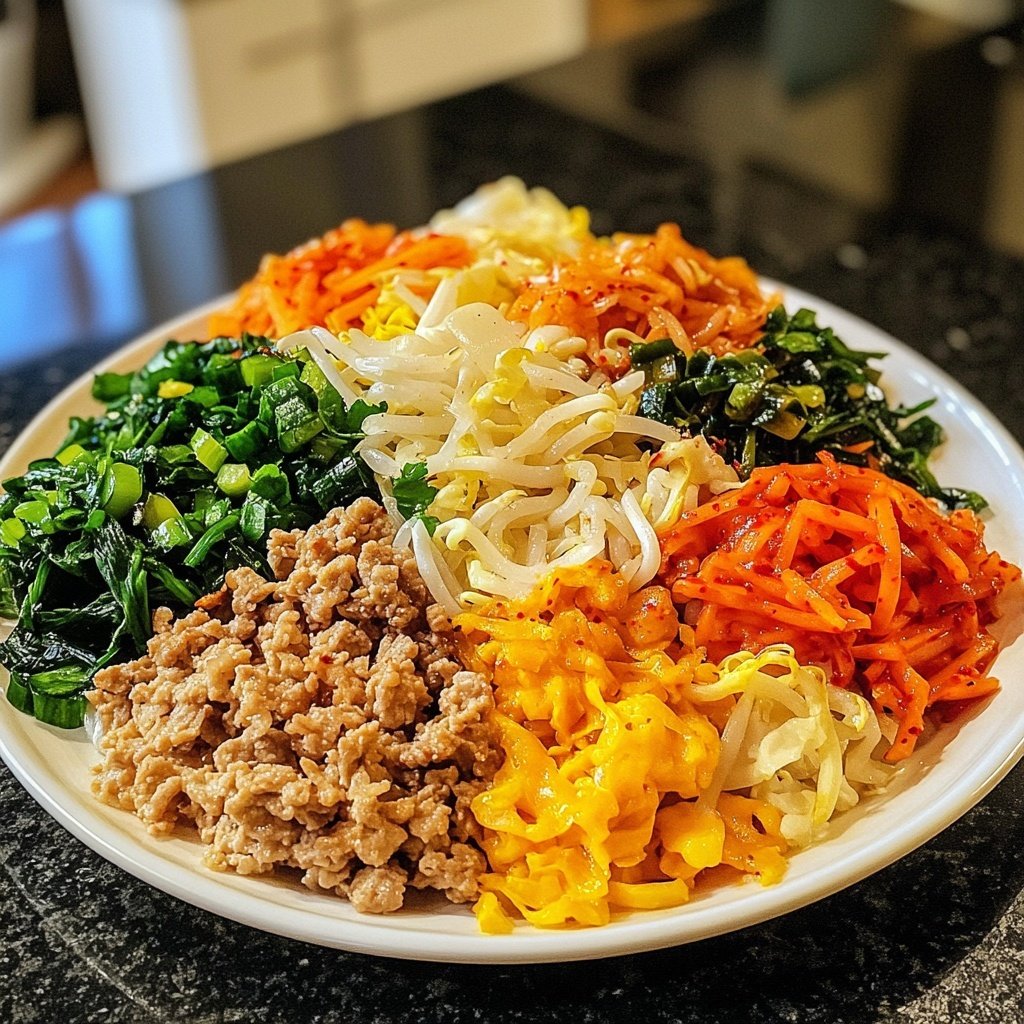
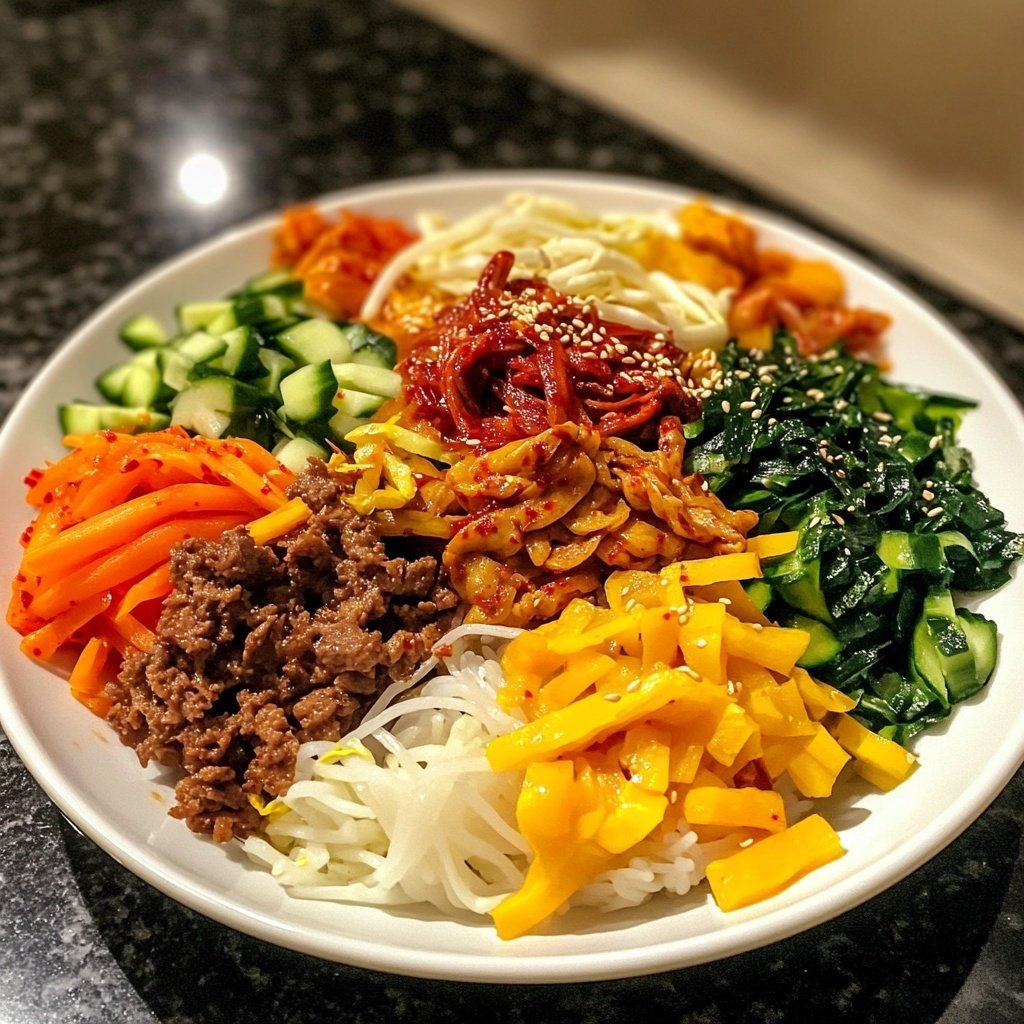
One of the unique aspects of bibimbap is its vibrant presentation. The dish is often served in a hot stone bowl that creates a satisfying crispy rice layer at the bottom. The colorful array of vegetables, from bright carrots to deep green spinach, not only looks appealing but also provides a wealth of nutrients. This makes bibimbap a wholesome choice for those looking to incorporate more vegetables into their diet without compromising on flavor.
Customizing Your Bibimbap
One of the best features of bibimbap is its versatility. You can easily customize it to include your favorite vegetables and proteins. Common additions include zucchini, radishes, and even kimchi for those who enjoy a tangy kick. If you are looking to add some crunch, consider topping your bibimbap with sesame seeds or crushed nori. Moreover, the protein can vary widely; options include marinated beef, chicken, or a plant-based alternative like tofu, making it accessible for everyone.
The key to a great bibimbap lies in the balance of flavors and textures. Each component should complement the others without overpowering them. The richness of the fried egg, the crunch of the vegetables, and the heat from the gochujang sauce come together to create a satisfying dish. Experimenting with different combinations can lead to delightful discoveries, so feel free to get creative while preparing your own bibimbap.
Serving Suggestions
When serving bibimbap, presentation is key. Consider using a shallow bowl to showcase the vibrant colors of the ingredients. Drizzling a bit of sesame oil over the top not only enhances the flavor but also adds a nice visual touch. For those who enjoy a bit of spice, providing extra gochujang on the side allows everyone to customize the heat level to their liking. Pairing bibimbap with a refreshing cucumber salad or a light miso soup can round out the meal beautifully.
For a more authentic experience, serve bibimbap with traditional Korean side dishes known as banchan. These small plates of pickled vegetables, kimchi, and seasoned greens offer a variety of flavors that complement the main dish. Not only do they enhance the overall dining experience, but they also invite diners to explore the diverse tastes of Korean cuisine. Sharing bibimbap with friends or family can turn a simple meal into a festive gathering.
Ingredients
For the Bibimbap
- 2 cups cooked rice
- 1 cup spinach, blanched
- 1 cup bean sprouts, blanched
- 1 carrot, julienned
- 1 zucchini, julienned
- 1 cup shiitake mushrooms, sliced
- 2 eggs
- 2 tablespoons sesame oil
- Salt to taste
- Gochujang (Korean chili paste) for serving
Feel free to customize your Bibimbap with any additional vegetables or proteins you enjoy!
Instructions
Prepare the Vegetables
Heat a tablespoon of sesame oil in a skillet over medium heat. Stir-fry the carrot, zucchini, and mushrooms separately, seasoning each with a pinch of salt until tender. Set aside.
Fry the Eggs
In the same skillet, add a little more sesame oil and crack the eggs in, frying them sunny-side up until the whites are set but the yolks are still runny.
Assemble the Bibimbap
In a bowl, place a serving of rice at the bottom. Arrange the blanched spinach, bean sprouts, stir-fried vegetables, and fried egg on top of the rice. Drizzle with gochujang and more sesame oil if desired.
Mix everything together before eating to enjoy the full flavor of the Bibimbap!
Pro Tips
- For added flavor, try marinating your protein in a mixture of soy sauce, garlic, and sesame oil before cooking.
Nutritional Benefits
Korean Bibimbap is not just a feast for the eyes; it’s also a powerhouse of nutrition. Packed with a variety of vegetables, this dish provides essential vitamins and minerals that support overall health. Spinach is rich in iron and calcium, while carrots are an excellent source of beta-carotene. By incorporating different vegetables, you can enhance the dish's nutritional profile, making it a great choice for those seeking a balanced diet.
Furthermore, the inclusion of protein, whether from eggs, meat, or tofu, boosts the dish's protein content, making it filling and satisfying. The complex carbohydrates from the rice provide sustained energy, making bibimbap a great option for lunch or dinner. This dish truly encapsulates the idea of eating the rainbow, ensuring that you’re not only nourishing your body but also enjoying a delightful culinary experience.
Storing and Reheating Leftovers
If you find yourself with leftover bibimbap, storing it properly can help maintain its quality for future meals. Ideally, separate the ingredients before storing. Keep the rice and vegetables in airtight containers in the refrigerator. The fried egg is best enjoyed fresh, but you can also store it separately if you plan to reheat your bibimbap later. Leftover bibimbap can typically last for up to three days in the fridge.
When it comes to reheating, the stovetop is your best bet for keeping the rice crispy and the vegetables tender. Add a splash of water when reheating the rice to prevent it from drying out. If you're using a microwave, cover the bowl with a lid or a damp paper towel to keep the moisture in. Reheating bibimbap is a quick and convenient way to enjoy this delicious dish again without compromising on flavor.
Questions About Recipes
→ Can I make Bibimbap vegetarian?
Absolutely! Just skip the eggs or use a vegan egg substitute, and add more vegetables or tofu.
→ What kind of rice should I use?
Short-grain rice is traditional for Bibimbap, but you can use any rice you prefer.
→ Can I prepare the ingredients in advance?
Yes, you can prepare the vegetables and rice ahead of time. Just heat them up before assembling.
→ Is Bibimbap spicy?
It can be! The level of spice depends on how much gochujang you add.
Korean Bibimbap
Created by: Charlotte Wilson
Recipe Type: International World Food Recipes
Skill Level: Intermediate
Final Quantity: 2 servings
What You'll Need
For the Bibimbap
- 2 cups cooked rice
- 1 cup spinach, blanched
- 1 cup bean sprouts, blanched
- 1 carrot, julienned
- 1 zucchini, julienned
- 1 cup shiitake mushrooms, sliced
- 2 eggs
- 2 tablespoons sesame oil
- Salt to taste
- Gochujang (Korean chili paste) for serving
How-To Steps
Heat a tablespoon of sesame oil in a skillet over medium heat. Stir-fry the carrot, zucchini, and mushrooms separately, seasoning each with a pinch of salt until tender. Set aside.
In the same skillet, add a little more sesame oil and crack the eggs in, frying them sunny-side up until the whites are set but the yolks are still runny.
In a bowl, place a serving of rice at the bottom. Arrange the blanched spinach, bean sprouts, stir-fried vegetables, and fried egg on top of the rice. Drizzle with gochujang and more sesame oil if desired.
Extra Tips
- For added flavor, try marinating your protein in a mixture of soy sauce, garlic, and sesame oil before cooking.
Nutritional Breakdown (Per Serving)
- Calories: 500 kcal
- Total Fat: 20g
- Saturated Fat: 3g
- Cholesterol: 186mg
- Sodium: 800mg
- Total Carbohydrates: 70g
- Dietary Fiber: 5g
- Sugars: 3g
- Protein: 16g